
Have you thought about investing in commercial property?
You’re not alone — faced with the prospect of more moderate returns from their residential property investments, many investors are considering this as an alternative.
By this, I mean offices, shops or warehouses.
Some investors are looking for diversification in their investment portfolios; others are looking for positive cash flow.
Some investors have noticed that most of the institutional property investors as well as many of the investors you read about in the Financial Review Rich 200 List own mainly commercial properties.
Yet others have read about the benefits, including:
- Strong returns
- Stability of income
- Low risk
- Exposure to different sectors of the economy
- Tax benefits
- Hedging against inflation
- Investment control
- The ability to add value
- Leverage
This comprehensive article will be a great beginner’s guide for your commercial property investment journey.
Successful commercial property investment requires an understanding of the complex market factors at work, unique financing requirements, property management options, leasing arrangements, and a good grasp of the potential risks.
An understanding of these factors will provide a reliable basis for your commercial investment property journey.
There is no doubt that COVID-19 has significantly affected our economy and certain sectors of the commercial property market.
In particular, retail and office space will be affected in the short term, but warehousing space is in higher demand than ever.
Investing in commercial property vs residential real estate
Before you embark on commercial property investment you must recognise that there are considerable differences between commercial and industrial properties compared with residential real estate.
The main ones can be summarised as follows:
- Commercial properties tend to yield a higher return than residential properties – usually between 5% to 10% net; compared to residential properties which yield 3% to 4% gross (then you still have to pay the rates, taxes, insurance, etc.) That’s because professional investors require a higher rental return from their commercial properties to make up for the relatively weaker capital growth, the longer vacancy factors, and potentially higher risks.
- Leases for commercial properties tend to be for longer periods, often 3 to 5 years as opposed to the 12-month lease which is common in residential properties.
- Rents are usually charged as a rate per square meter and rent reviews are incorporated in the lease document. Rent reviews may be calculated every year or 18 months and can be an increase to market rental or an increase by the increase in the amount of the CPI. Some leases have a clause preventing the rent to drop even if the prevailing market rent drops.
- Tenants in commercial properties usually pay all the outgoings such as rates, taxes, and insurance, while with a residential property the landlord pays these.
- Because your tenant conducts their business from your commercial property, they tend to look after it better than residential tenants do, usually maintaining and painting the property.
- Commercial properties are less management intensive – tenants don’t tend to bother you for small items like leaking taps.
- Lenders will usually only lend up to 70% of the value of commercial or industrial properties. I don’t know of any mortgage insurers who will lend on commercial property. This means the investor needs to come up with more equity to purchase a commercial property.
- The initial capital required to get into a good commercial property is usually considerably higher than that required for residential properties, as a good shop or office in a strong centre may cost 2 or 3 times the price of a unit or apartment. Sure you can buy cheap shops in secondary centres, but they will usually have secondary tenants who are more likely to go broke and leave you with a vacancy.
- Interest rates for a loan on commercial properties are usually higher than for residential properties.
- When vacancies occur in commercial properties, they are often vacant for considerably longer periods than the week or 2 you may have a residential property vacant. How often have you seen a shop in your community shopping centre vacant for weeks or months?
- The cycle for commercial properties is different from that for residential properties and is even more dependent on the general economic factors than the residential market.
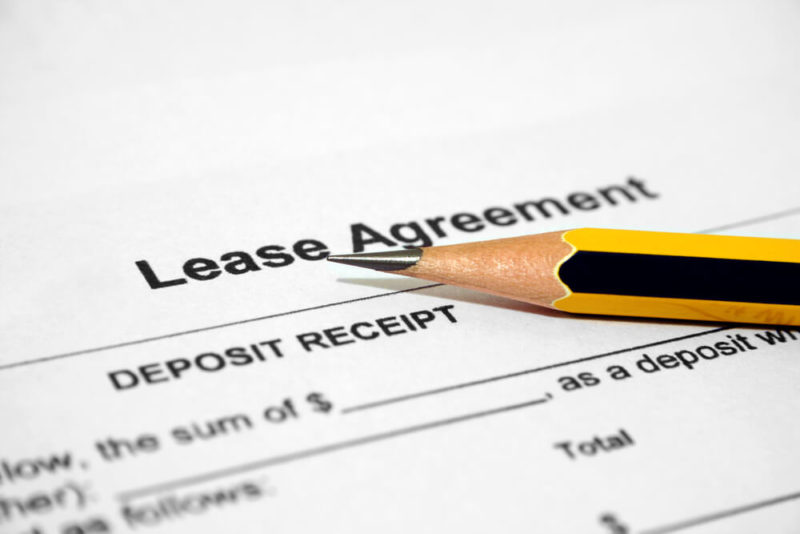
- The lease required on a commercial property is much more complex and usually requires a solicitor to prepare it.
- It’s easier for you to pick a top-performing residential investment. Most beginning investors know what to look for in a residential property – they have lived in a house, but few would know what a tenant looks for in a good commercial or industrial property unless they have conducted their own business from one.
Benefits of commercial property
There are of course many benefits from investing in commercial real estate:
- Strong returns — Over the years commercial property has provided strong returns as a combination of capital gain and income.
- Stability of income — One of the important features of commercial property is returns are generally high and more secure. Returns for property fluctuate considerably less than returns on shares.
- Low risk — There is less volatility in the values of commercial property than in shares — if you own the right property.
- Exposure to different sectors of the economy — Retail and industrial properties have a direct relationship to the general state of the economy. Retail property depends upon consumer spending.
- Tax benefits — Commercial properties provide generous tax benefits with substantial depreciation allowances. Some buildings also attract building allowances, where a portion of the structural cost can be offset against the assessable income.
- Hedge against inflation — The value of commercial property and rentals of commercial properties have outpaced inflation over the long period.
- Investment control — As the owner of commercial property, you have a significant degree of control over your investment. You can choose to improve your return through renovations, upgrading, and change of the use of the property, or you may amend the terms of the lease or the type of tenant you have and you always have the option of further development of the property or dispose of it.
- Leverage — Just as with residential properties it is possible to leverage your returns by borrowing up to 70% of the value of commercial property.
- Adding value — Just as investors in residential property are able to add value by buying a run-down property and renovating or redeveloping it, there are opportunities in commercial property to add value. In particular, if you can increase the rental income from your property this will directly reflect on the valuation of the property.
Ways you can add value to your commercial property investment include:
- Renovating
- Upgrading
- Subdividing or enlarging the block
- Improving the appearance of the property
- Obtaining permission for the redevelopment
- Renegotiating the lease
- Changing its use for example to residential
The negatives of commercial property
Some of the disadvantages of investing in commercial properties include:
- Lack of liquidity — Selling a commercial property can take several months — often longer than it takes to sell a well-located residential property.
- Lack of pricing information — Compared to residential properties there is little pricing information available for investors in commercial properties. It is therefore more difficult to know the value of your particular property. You may be able to get some information from the Property Council of Australia ( www.propertyoz.com.au ) or from the following websites
www.commercialrealestate.com.au or
www.realcommercial.com.au
- Scarcity of other information — If you are interested in sharing or in residential property, there are many blogs, magazines, newspapers, and websites that will help keep you informed and make you a better-educated investor. There are very few information resources for people interested in commercial real estate. You will find some articles in the Australian Financial Review and in the reports produced by some of the larger commercial property agencies.
- Higher costs — The entry level to purchase a commercial property is usually higher than that for residential. Partly because the price of a good commercial investment is substantial and partly because you require a larger deposit as banks won’t lend you as high a proportion of your property compared to residential real estate
- Ongoing management — Direct property investment in commercial properties can require your ongoing management but usually requires less management than similarly priced residential properties.
Commercial property values
Values of commercial properties are largely driven by rental returns or the potential for capital growth.
To estimate the value of a 100 sqm shop that is leased for $40,000 net per annum, the general rule of thumb is to divide the rental by a yield acceptable to the market at the time.
Working on a 7.5% yield the following formula would apply:
$40,000 / 7.5% = $533,333
Which means the property is worth about $530,000.
Yields vary from 3.5% for premium locations with strong tenants to up to over 10% for poorer locations with weak tenants.
Other factors that affect the return is the potential for capital growth, redevelopment potential, and tax-related factors.
This is completely different from the way residential property is valued.
A house is worth much the same if it has a tenant in place or not.
In fact, it is usually worthless if there is a tenant on a long-term lease as owner-occupiers would not buy the property.
With commercial properties, which are valued based on their rental return (or potential income) a vacant property usually carries a substantial discount on leased property.
This creates some tremendous opportunities because if you buy a vacant property and find a tenant to take it on a long-term lease you increase its value substantially.
Similarly, if you find a property that is significantly underlet and at the lease expiration or the market review of the rental you can increase the rent, once again you increase the value of the property.

Note: A strong economy is fundamental for increased commercial property values.
These are a little different from residential property and while obviously driven by supply and demand, commercial demand is driven by economic factors as well as population growth.
As the economy starts to grow the demand for warehouse space grows, followed by increased demand for retail space as consumers feel more confident and spend more, and this is in turn followed by increased demand for office space.
Other factors that influence commercial property demand include:
1. Fluctuations in interest rates
When the Reserve Bank raises interest rates to manage inflation and slow the economy, the higher cost of money slows the rate of company growth. At the same time, higher rates tend to reduce consumer spending. This has a slowing effect on the demand for both commercial and residential property.
2. Infrastructure development
The development of infrastructure and new freeways can change the demand for commercial property.
The opening of bypasses and ring roads in our capital cities means cheap land and access to good roads in the outskirts of our cities provides the impetus for transport companies to move their warehousing facilities.
3. Demographics
As different segments of the population are motivated to move to different locations, new opportunities arise.
For example, Baby Boomers have increased demand for healthcare services, in certain suburbs while young families require more childcare facilities in the new outer suburbs.
As lifestyle becomes increasingly important, more people want to work nearer to home. Thus there has been an increase in the number of small offices located in the middle ring suburbs
4. Population growth
Locations that have strong population growth require more services.
As new suburbs spring up, shopping centres are built to service the growing consumer demand. Grocery stores are required, then cafes and specialty shops, support services (small industrial), and then office space.
5. Retail spending
Consumer spending increases demand for the product, so the requirements for warehousing and retail outlets increases.
READ MORE: 5 ways to value a commercial property in Australia
Investing in Retail Property
When investing in the retail sector, it is important to consider how the emergence of online shopping is changing the way Australians do their shopping.
At the same time, it’s important to understand how the retailing giants in Australia have now taken over the bulk of the retail market.
With their increased purchasing power, they can afford to open longer hours and have put great pressure on the small retailer.
Also, the face of retailing has altered in Australia.
In the past, most of the successful retail chains were represented in the retail shopping strips. Now they are mainly in the large shopping centres owned by the listed trusts like Westfield and which have become something of an entertainment mecca for families.
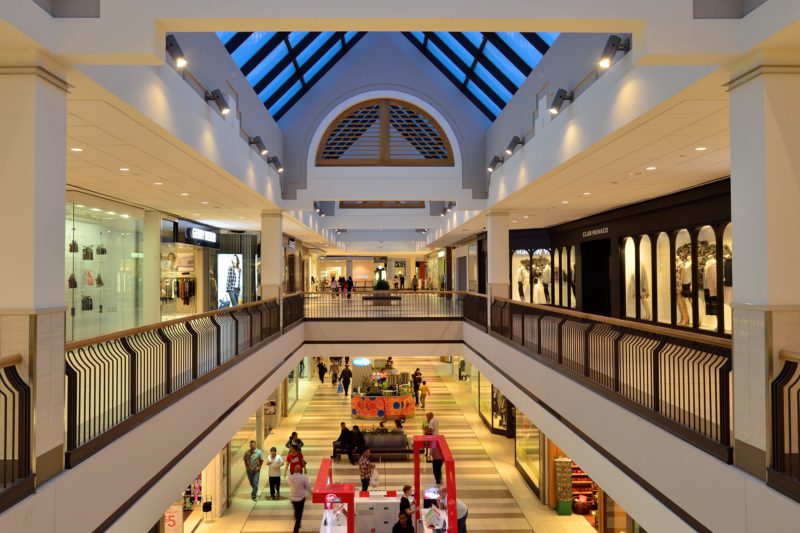
The strip shopping centres and corner shops have suffered as the big retailers have moved to these centres.
Recently, as these large shopping complexes have become even larger, many shoppers seem to be returning to the strip shopping centre where parking is easier and there is less hustle and bustle. They also find the local retailers more personal.
Another change is the trend to “bulky goods centres” those large warehouse-type centres that house retailers like Harvey Norman and other electrical or furniture retailers.
These types of centres have increased the entry-level costs to snare a large major player as a tenant.
So the average investor is left with the possibility of buying a shop in a neighbourhood or strip retail centre with a small business as a tenant.
But statistics show that 80% of small businesses fail within the first 5 years of starting up.
This means that retail tenancies are possibly riskier unless you can afford to own the larger type of premises that are required by the big retailing chains.
Key Operator
When developers plan a shopping centre, one of the first likely tenants spoken to is one of the high-volume selling food chains such as Coles or Woolworths.
There are now a number of minor players coming into this category as well, known for having a customer-attracting pricing policy.
Developers like this sort of tenant because, with a key tenant in their centres, other retailers will be encouraged to lease there because of the custom the main tenant will attract.
Similarly in strip shopping centres, if there is a substantial and successful retailer who is attracting customers in large volumes then other retailers will be encouraged to locate near them.
If there are no key retailers there, then it is unlikely shoppers will be attracted to the centre.
So when looking to purchase a retail investment, while you may not be in the category that will be able to purchase a property that would house one of these key retailers, it is important to find a retail investment near such a retailer.
This should enable you to always find a tenant for your property.
Lease Conditions
The lease terms for retail properties are different to those of other types of properties.
There are usually 4 ways of striking a rental:
- A fixed rental for a period of say 3 years.
- A fixed rental with CPI increases adjusted annually for a period of say 3-5 years and with a rent review to the market rental at a particular interval during the lease or at the expiration of the lease if an option is taken up. This is the most common form of the rental agreement as it seems to be fair to both parties. It gives the retailer security of tenure and the owner reasonable tenancy security.
- A minimum fixed rental plus a percentage of the turnover that the retailer has. This is a common leasing arrangement for supermarkets.
- A straight percentage of turnover.
These latter two have reasonably wide use in the food retailing industry, particularly for supermarkets and this is the way the large shopping complexes like to structure their leases.
But they have some obvious disincentives.
The harder the retailer works the more he has to pay. It is also difficult to fix a percentage and it would require you to have a good understanding of the retailer’s business.
The most likely retailer investments for smaller investors are in existing strip shopping centres.
There may also be opportunities for you to undertake a small development in strip or neighbourhood shopping centres. You could buy an older shop and refurbish it or put offices on top.
Shops in a corner location make great investments as they have 2 street frontages and more exposure.
Investing in Industrial Property
Industrial property primarily consists of factories and warehouses.
Many of these buildings now contain large amounts of offices as our industrial base has changed from manufacturing to more storage and distribution.
Industrial buildings now house a range of activities from research and development space which requires a large component of office space to vacant warehouse space.

In recent times industrial developments have sprung up in industrial parks where there is a large garden component and greater amenities for tenants.
Tenants prefer to be situated in a cleaner, newer, better constructed and laid out premises.
These buildings often have large column-free spaces with about 15-20% of the building’s space available as offices.
The size of industrial premises can vary from small factories to large multi-hectare distribution centres.
The smaller factories provide the average investor with an opportunity to get into the industrial sector at a relatively low cost.
Industrial buildings can be classified into 3 broad categories:
- Manufacturing
- Research and development
- Warehousing or distribution
Many new buildings are purpose-built with an end-user in mind, but if you are building a complex speculatively, try and make the building design flexible so that potential tenants can have as much percentage office space as they require.
Many small companies now require putting 25 and 50% of the building as office space.
Some geographic locations specialise in different types of industrial space.
By that, I mean that some areas have become well known for their high-tech research areas or computer facilities.
Others because of proximity to major highways or freeways become warehousing and distribution centres.
Because of the change in the way the Australian industry works with less manufacturing and more importing and warehousing today’s industrial buildings are different from those built in the past.
- Buildings are generally larger with higher ceiling space for greater storage capacity
- Buildings have greater technology embedded with them to allow for automated operations or a higher office component
- Strong and more durable concrete floors are constructed to accommodate taller pallet racking and heavier-duty forklifts
- Warehouses have more roller shutter doors allowing simultaneously loading and unloading
- Truck maneuvering areas are increasing in size to accommodate larger trucks able to carry containers.
This list of requirements is what larger national and multinational companies are looking for.
This means that most older warehouse buildings would not suit their needs. However, smaller businesses do not require all of these facilities and would prefer not to pay for the latest state-of-the-art building.
A flexible facility that can easily be reconfigured to accommodate tenants’ expansion or different configurations of office space will create a better long-term investment.
What makes a good industrial investment?
When looking for an ideal industrial investment you should consider the following factors:
- Good location, as many industrial properties require access to freeways and population centres for their employees.
- Adequate onsite parking for staff and visitors.
- Sufficient access for large trucks, particularly those with containers. This means the entrance to the warehouse has to be higher and driveways can’t have steep slopes.
- Good staff amenities, including toilets, kitchen, and air conditioning in the offices.
- Flexibility to include offices and showrooms on the premises.
- Generous roof heights as many tenants use modern racking that stores goods higher.
Tenant Selection
As with all investments, selecting your tenant is important, and while you can’t be as strict with your housekeeping requirements as you can in residential or office tenancies, as a landlord you should set the standards about general tidiness outside the building and disposal of wastes.
These rents are higher if there is a large office component than if they are more open warehouses.
Leases are usually for 3 years with annual CPI adjustments.
Industrial buildings are relatively simple to build, take a short period of time and take much less time to build than office structures.
Typically rents and occupancy levels experience slow and steady increases during periods of economic expansion and slight declines during recessions but in general, the industrial market is less volatile than other commercial property markets.
Investing in Offices
Commercial usually refers to office accommodation.
In the past, this was mainly the high-rise buildings that dominate our city landscape. These tend to be the province of specialist developers and large institutions.
Commercial properties are attractive investments because they have a relatively stable income with ongoing continuous cash flows.
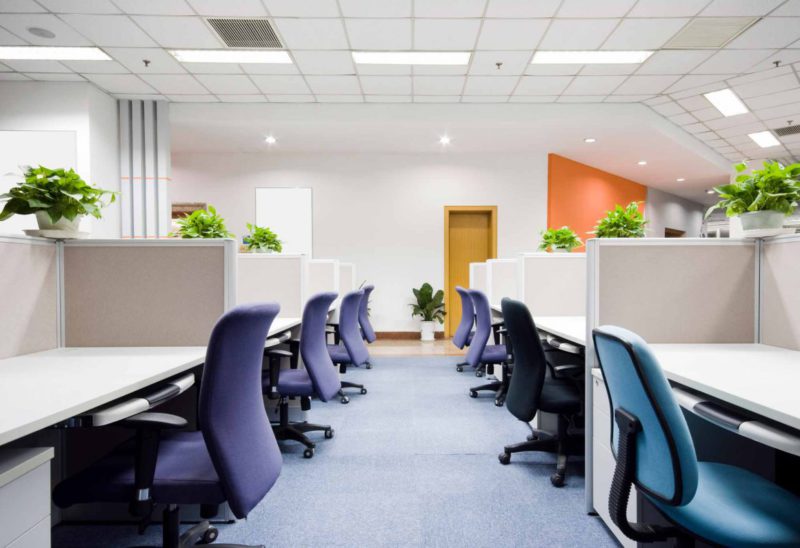
If you choose a commercially zoned property in a good area you should be assured of capital growth.
While these may be out of your league at present it doesn’t mean you shouldn’t know about and understand the principles because one day you may get there.
Like with other property investments, choosing the right location and the correct building is critical for a successful commercial office building. Only choose prime locations and “smart” buildings with up-to-date technology features
There are a number of ways to get into the commercial market.
In general, these require more capital than residential real estate and include:
- Develop a new building from the ground up. It would be preferable if you can design it for a known end user who needs the office space.
- Recycle an existing building for office use or refurbish an older office building and bring it up to date.
- Purchase a section of a larger building that is zoned commercial as an office suite on a strata title or
- Purchase an existing building with tenants on leases.
Tenants for office premises
As with all investments, choosing a tenant for your office building is important, as careful selection will underpin your continuing income.
The good news is that Australia’s service sector is growing rapidly, and despite the trend to work remotely or offshore, there is a steady demand for good office space.
The most desirable tenants are those with a good track record in business or in the type of business that has the potential for growth.
Solicitors and accountants have shown substantial durability over the years and have a public image of reliability and responsibility.
Leases for office space are usually for periods of 3-5 years with tenants paying all the outgoings often including managing agent’s fees.
Rents can be fixed for the first 3-year period or have annual CPI increases. At the end of the initial lease period, there is usually a review to market rental.
Characteristics of Office Buildings
Office building investments tend to be the domain of large syndicates and institutions or investment trusts, but there is still room for the smaller investor to purchase an office building.
Office buildings run the full spectrum from large high-rise city office buildings in the CBD to small suburban office buildings.
Offices are usually categorized by class to evaluate the building’s age, location, and quality of finishes.
Three classes of office space are usually defined.
- Class A buildings are the most desirable and feature high-grade features and amenities and provide high status to their occupants.
- Class B buildings tend to be older buildings that were once class A but now lack some of the modern amenities and technological features. They usually lease for lower rents and are attractive to smaller tenants because of their economies.
- Class C buildings are often older and have not kept up with the trends. There are sometimes opportunities to refurbish older buildings and bring them back to class B or class A.
Features and Amenities
One of the most important features of an office building that is required by tenants is the availability of car parking or if in the CBD, proximity to transport for both occupants and clients.
Tenants of office buildings also want proximity to banks and restaurants or facilities for lunch or entertainment of clients. Many large office buildings now contain restaurants and shopping in the areas just to please the requirements of their tenants.
Suburban office buildings should be located close to transport such as freeways but preferably not on major highways or arterial roads as access for visitors is often limited to side streets or rear lanes on these buildings.
When tenants look for office space they often work out the ratio of the space allocated to each employee.
In the past, the average space allocated for employees was 25sqm which included a proportion of the shared facilities, corridors, and restrooms.
While the amount of space varies significantly depending on the industry the space requirement for employees has decreased often to 15sqm per employee.
What makes a good office investment?
When evaluating an office building as a potential investment here are some of the things you should look for:
- How many floors are in the building? Is it a low-rise, mid-rise, or high-rise building? High-rise buildings tend to be more prestigious and may offer special views, but are of course more expensive.
- Is the property inside a block surrounded by other buildings or is it on a corner? Corner locations are preferable as they often give extra views and greater natural light.
- Is access to the building and parking easy? Does the flow of traffic assist accessibility? Tenants prefer easy and convenient access.
- Does the building have visibility from the street and a sense of presence?
- Are the uses surrounding the buildings compatible? It is often preferable to be located in an office area surrounded by buildings of similar use. For example, many tenants will not want to lease space in a building that is next door to a KFC outlet.
- Does the building have curb appeal? Is it well landscaped and well maintained? The initial impression a building has may affect a tenant’s decision to lease the property. If possible, get a building with timeless qualities that will appeal to tenants over the long term.
- What type of parking exists? Is it secure and underground? Is it free? What cost is the monthly rate? Our car parks in tandem, in other words, one behind the other which makes life more difficult when one employee has to leave. Are our car parks undercover and underground?
- What type of exterior does the building have? Does it have a timeless quality of granite, glass, or concrete? How will it look in 10 years’ time? The building should look good in 10 years time when leases expire and you may want to sell or release the building.
- Is the lobby a modern style or outdated? Is the image of the lobby appropriate to the type of tenants you want in the building? Today, many firms are sensitive to cost issues and do not want extravagant lobbies.
- Are the restroom and common tea room facilities modern?
- What is the proportion of lifts to floor area? It is often recommended that you have one lift per 3000sqm. The speeds of lifts and elevators are also important as people don’t like to be kept waiting.
- What amenities does the building have? Typically larger buildings have a fitness centre, a restaurant or deli, communal conference rooms, or small retail outlets. Smaller office buildings typically do not have these amenities but similar facilities should be located nearby in the surrounding shops.
- Does the building have facilities for handicapped visitors?
- If the building is currently leased, check what type of tenants leased the building, are they concentrated in a particular industry? Are they secure tenants or start-ups with an unproven track record? If you have multiple leases, are they staggered so that not all leases expire at the same time?
- When analysing a potential commercial investment property, check that the heating and air-conditioning systems are able to cope with the capacity of tenants in the building. This has become particularly more important as the floor space for employee ratio diminishes meaning that more employees will be working within the building. Also, check its telecommunications capabilities and make sure it can be wired for internet and cables.
- If their property is leased, tenant interviews are very useful as they can provide a great insight into issues in the building and surrounding area. Some simple questions you could ask office building tenants include:
-
- Why did you choose to move into this particular building?
- What other buildings did you look at?
- Has this building met your expectations?
- Do you have any problems with the building?
- Are the managing agents for the building responsive?
- Are you planning to renew your lease when it expires? If so why or why not?
Tips for building wealth through commercial properties
1. Due diligence & market research
Understanding the market is the key to success in commercial property.
Read what you can and get to know the market well.
Research everything from the big picture (projections of the economy and vacancy rates) to small details such as walking around and ringing agents to check on rents in the area.
Investigate the health of the business sector you expect your tenant to come from and changes to infrastructure and local and state authorities’ plans for the region.
2. Invest in prime positions
Always invest in prime retail, commercial or industrial locations — high-demand positions that are popular with tenants and purchasers.
Consider visibility, accessibility to public transport, and parking.
3. Purchase a leased property
When commencing investment in commercial property mitigate your risks by buying one that is already leased to a good tenant on a long lease.
4. Tenant calibre and lease term
As the value of your commercial investment will depend upon your rental return, a strong tenant on a long lease (minimum 5 years) will underpin a great investment.
Check the rental per sq mt and ensure that the rate is not inflated compared to market rentals.
If the rental on your lease is $500 per sq mt and the market rental is $700 per sq mt then there is upside potential at our next rent review.
If the current rent is above market rental, you may be overpaying for the property and you will have little upside potential for rent reviews and therefore increased capital values.
5. Lease Structure
This includes the length of the lease, the frequency and methods of rent review, and who pays the operating costs.
Of course, it would be preferable to have a long lease with regular rent reviews to market with a minimum CPI increase and a tenant who pays all the outgoings.
6. Recent Construction
Generally, recently built properties will have ongoing appeal to tenants and require less renovation.
They will also have higher depreciation benefits.
7. Flexible Design
This means you will not be left with an inefficient floor layout if you sublease the space.
For industrial buildings, it means buildings where the proportion of office space can easily be varied.
8. Invest in properties with development potential
Look for undercapitalised properties. Ones where tenants are paying below-market rent or properties that are underdeveloped.