Homeowners often focus on the final appearance of a new roof, but the real success of any Roofing installation begins with safety. Roofing is one of the most hazardous construction trades, and professional contractors follow strict safety standards to protect workers, homeowners, and the property itself. Understanding these measures helps homeowners recognize the value of hiring trained experts instead of attempting risky DIY projects.
Why Safety Is the Foundation of Professional Roofing
Reputable home improvement companies serving areas such as Portland and Seattle build their reputation on expert crews, durable materials, and smooth project execution. Whether they are installing premium roofing systems, replacing siding, building seamless gutters, updating flooring, or applying fresh interior and exterior paint, safety procedures remain consistent across every service. The goal is always the same: deliver high-quality results without accidents or delays.
Fall Protection Systems
Falls are the leading cause of injuries in roofing work. Professional Roofing installation teams use advanced fall protection systems, including harnesses, safety ropes, anchor points, guardrails, and secure ladders. Workers are trained to remain tied off at all times when operating on steep slopes or elevated surfaces. These systems allow roofers to move freely while minimizing risk.
Personal Protective Equipment (PPE)
Every installer wears specialized protective gear, including non-slip boots, gloves, helmets, eye protection, and high-visibility clothing. PPE shields workers from sharp materials, falling debris, and harsh weather conditions. This equipment is mandatory on professional job sites and significantly reduces injury risks.
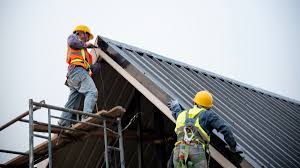
Equipment Safety and Site Preparation
Before a project begins, the crew inspects tools, ladders, scaffolding, and machinery to ensure proper function. The work area is prepared with caution tape, warning signs, and protective barriers to keep homeowners and visitors safely away from danger zones. During Roofing installation, debris is removed regularly to maintain a clean and stable work surface.
Weather Monitoring and Scheduling
Roofing professionals never gamble with unsafe weather. High winds, rain, ice, or extreme heat can quickly turn a job site hazardous. Experienced contractors monitor forecasts and reschedule work if conditions threaten safety or material performance. This careful planning ensures that both workers and roofing systems remain protected throughout the project.
Structural Assessment Before Installation
Safety begins even before the first shingle is removed. Roofing crews evaluate the condition of decking, rafters, ventilation systems, and structural supports. Any weak or damaged areas are reinforced or replaced prior to installing new materials. This not only improves safety during installation but also strengthens the long-term performance of the roof.
Material Handling and Waste Management
Shingles, underlayment, nails, flashing, and ventilation components must be transported and installed correctly. Crews use mechanical lifts, conveyor systems, and specialized equipment to reduce strain and prevent accidents. All waste materials are collected, removed, and disposed of according to environmental guidelines, leaving the property clean and hazard-free once Roofing installation is complete.
Certified Training and Industry Standards
Top-tier roofing contractors invest heavily in ongoing safety education. Crews complete OSHA safety training, manufacturer certification programs, and specialized instruction for working with premium roofing products. Companies holding elite manufacturer certifications—earned by only a small percentage of contractors nationwide—demonstrate their commitment to both safety and workmanship excellence.
Integrated Safety Across Home Improvement Services
Companies that handle full-service home improvement—roofing, flooring, siding, gutters, and painting—apply consistent safety standards across every project. From installing James Hardie fiber cement siding to laying luxury vinyl plank floors or applying modern exterior coatings, safety protocols ensure each job site remains controlled and efficient. The result is a stress-free experience for homeowners, from start to finish.
How Homeowners Benefit
Strong safety practices protect more than workers; they protect your home investment. Fewer accidents mean fewer delays, lower liability risks, and better-quality craftsmanship. Reliable contractors also offer flexible financing options, allowing homeowners to proceed with critical improvements without sacrificing safety or materials. You can see how professional companies structure these processes by visiting homze.com.
As part of broader construction standards across the industry, occupational safety and health regulations guide many of the procedures used during Roofing installation today. When homeowners choose contractors who prioritize safety, they are not only protecting people—they are securing the long-term performance and value of their home.