

Piano Sheet Music Transcription With Machine Learning
The ability to convert music audio into notation is useful for many purposes. In particular, transcribing musical compositions can be an effective way to practice for piano lessons, because you can hear and see the notes as you play them. However, this is often a tedious process. In order to improve it, there are several software programs that offer automatic music transcription using machine learning.
The best option for piano transcription is an app that uses machine learning to automatically detect the notes, beats, and instruments in a song. This allows users to quickly turn any song into sheet music for piano or guitar, and offers advanced editing features like looping sections of the song, adjusting the tempo, and even modifying the key signature and accidentals. It also supports various formats, including PDF, XML, and MIDI, allowing for flexibility in how the transcribed music is used.
Another feature that is useful in piano transcription is the ability to transpose the score for different instruments. This can be helpful if you want to practice a song with a singer, or if you have a vocal range that does not match the original key of a piece. This is done by adjusting the pitch of the song, moving it up or down an octave, and modifying the key signature and accidentals. This is a useful skill for piano players, singers, and even composers who need to write sequences of music for other musicians.
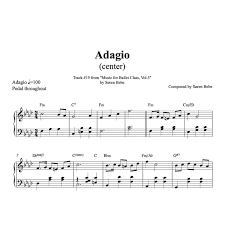
Automatic Piano Sheet Music Transcription With Machine Learning
There are a number of software options that allow for automatic piano sheet music transcription with machine learning, and each has its own strengths and weaknesses. Some options are free and open source, such as ScoreCloud, while others offer more advanced editing tools and customizations, such as MuseScore 3. Regardless of which you choose, these software programs will save time and effort by enabling you to create high-quality sheet music that is easy to read and use.
Generally, automatic music transcription works well for simple pieces that don’t require a lot of interpretation. More complex pieces, with complex chords and multiple instruments playing at once, can be difficult to transcribe. This is because detecting the exact timing of individual instruments can be challenging, and it is hard for machines to determine exactly what the musicians are doing.
A good choice for beginners is a piano transcription app that offers automatic note detection. These apps use machine learning to identify the music in a recording and then translate it into sheet music, including notation for the bass, drums, piano, and other instruments. Some of these piano transcription apps even include an interactive keyboard to practice with the transcribed music.
Another benefit of these piano transcription apps is that they can help beginner pianists learn to recognize mistakes as they work through a piece of music. This can be a challenging task for beginner students, as it is not possible for them to get the immediate feedback of an experienced teacher. This is why many people use a transcribing tool for piano to help them improve their skills.


