Governance Risk Compliance in 2024
The governance risk compliance (GRC) industry continues to evolve rapidly. With heightened regulatory changes, new compliance standards, increased emphasis on boosting operational resilience, and the integration of Gen AI in GRC processes, organizations must continue to adopt agile risk management strategies. This requires leveraging technology to strengthen and bolster compliance efforts.
This year, we expect to see a growing demand for integrated GRC platforms that offer a unified view of risks and compliance requirements. This will enable organizations to streamline grc governance risk compliance processes, improve decision-making, and fortify business continuity amidst ever-changing risk landscapes.
We are also seeing a shift in the focus of GRC functions towards data governance and cyber security. With significant data breaches becoming increasingly common, there is a greater urgency for organizations to embrace effective security measures. This will help them ensure compliance with international data privacy regulations, prevent cybersecurity threats, and protect information more effectively.
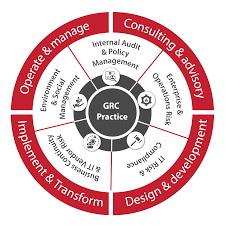
Emerging Trends in Governance Risk Compliance in 2024
In addition, we are also seeing a rise in the need for organizations to integrate sustainability factors and ESG considerations into their grc governance risk compliance practices. This is due to a growing recognition that the success of an organization largely depends on how sustainable and ethical its business practices are, and how responsible it is in its interactions with stakeholders.
As companies operate in a global economy, their risk management activities must extend beyond their headquarters and technology stacks to encompass third-party and nth-party relationships. This requires a more holistic approach to risk management that is geared towards evaluating, mitigating, and monitoring risks across complex supply chains.
Another critical trend that will drive the future of GRC is an increase in collaboration between different departments within organizations. This will enable GRC teams to work collaboratively to streamline GRC processes, improve reporting, and support operational resilience. This will be facilitated by the introduction of more interconnected and flexible GRC frameworks, as well as by the implementation of centralized GRC platforms that support collaboration and workflow automation.
The final key trend that we will see in 2024 is the increase in the adoption of Gen AI technologies in governance, risk, and compliance (GRC) processes. With the introduction of AI-powered predictive analytics, organizations will be able to automate GRC processes, fortify business continuity, and enhance their risk mitigation capabilities. This will provide a competitive edge for businesses as they navigate complex and ever-changing compliance landscapes.
Despite the complexities and challenges of managing governance, risk, and compliance, the impact of an effective GRC framework can be immense. By implementing robust risk mitigation strategies and adopting agile methodologies, organizations can overcome the challenge of changing regulatory landscapes, evolving risks, and emerging cybersecurity threats.
This will allow them to achieve long-term sustainability and business success. To learn more about the importance of effective GRC, download our 2024 GRC Trends Report. This report highlights the most critical trends in GRC that will influence the future of organizations. It offers insights into the current industry trends and market scenarios, as well as practical tips and recommendations for implementing an effective GRC framework.