Flexible Printed Circuit Manufacturers Ensure Product Safety
PCBs can be found in a wide range of electronic products, from mobile phones and computers to fitness trackers and cameras. They connect these components and provide the electrical power and signals needed for operation. In order to make these devices work properly, flexible printed circuit manufacturers need to take several factors into account when designing and manufacturing flex circuits.
The first step in ensuring product safety is to choose the right copper pattern for the design. While standard rigid-flex PCBs can utilize a variety of metals, copper is the most common choice for flex circuits due to its combination of cost, durability, and physical flexibility. Copper also resists oxidation well, making it the ideal material for the conductors in a flex circuit.
Another way to ensure product safety is to route traces in the correct places on a flexible printed circuit manufacturers. This is particularly important when routing them near bend areas, where stress on the traces can cause them to break. When routing traces, it is helpful to use a layout that avoids overlapping layers and uses small pads for connecting points. This will help reduce stress on the copper and prevent short circuits.
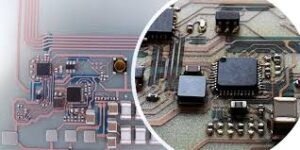
How Flexible Printed Circuit Manufacturers Ensure Product Safety
Once the copper pattern has been laid out, the next step is to create a insulating layer called bondply on the surface of the flex circuit. This is similar to the prepreg used in rigid boards and helps isolate the conductors from other surfaces of the circuit. This process also helps to reduce the chance of etch-related failures in complex etch patterns.
During the etching process, it is crucial to use sacrificial copper foil to protect critical features on the flex circuit from damage. The etching procedure uses chemical solutions to remove copper from the area of the board where the wiring pattern is located. After the etching is complete, it is then necessary to add a layer of insulating material that will protect the wiring pattern from future chemical reactions.
The final step in ensuring product safety is to test the flex circuits for failures in the electrical connection. This involves using specialized tools to perform a visual inspection and an automated electrical test to identify faults. If any defects are detected, the manufacturer can make repairs before the product is shipped.
As a result, it is essential for flexible printed circuit manufacturers to have robust and updated testing techniques to ensure that their products are safe to deploy in the field. Without this, they may risk losing clients and damaging their reputation. The best way to do this is to make sure that the flex circuits are tested early in the production process. This will allow them to identify problems and fix them before they have a significant impact on the product’s reliability and durability. It will also ensure that the product can be used safely by the end user. In addition, this step will save time and money in the long run by preventing costly mistakes that can be made when trying to rush a project through the production process.