Key takeaways
In the last 50 years, house prices in Australia’s capital cities soared by 3,435%.
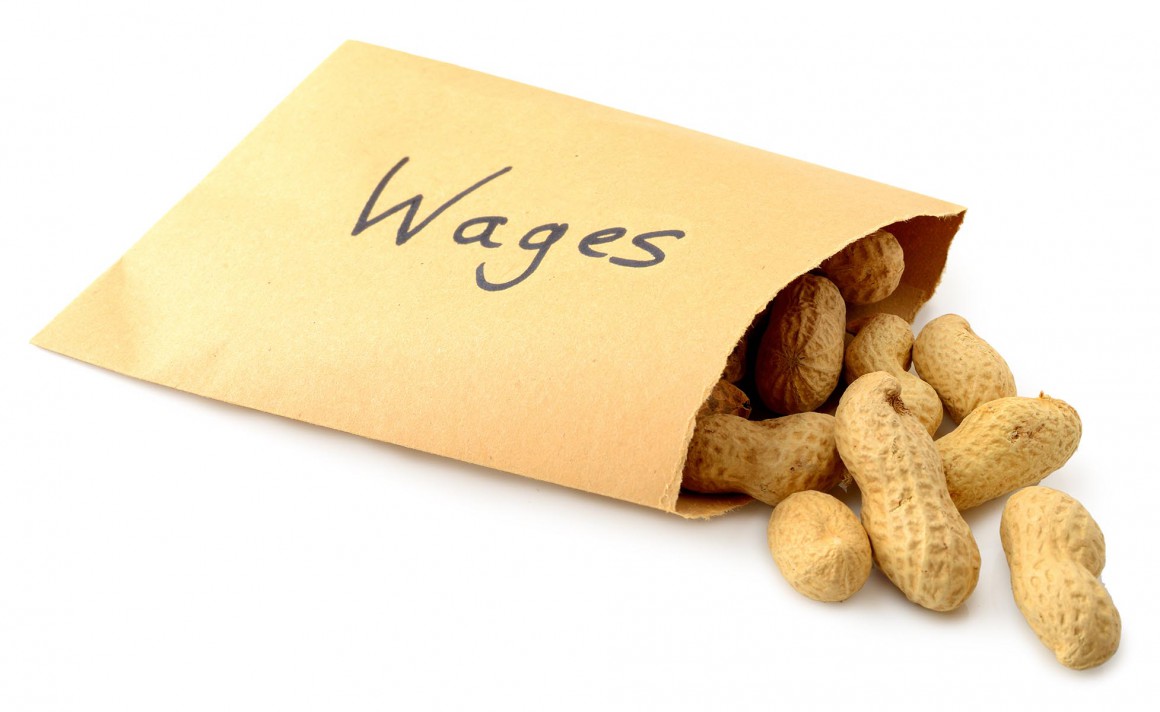
Meanwhile, wage growth only increased by 1,183%, creating a substantial gap between incomes and property prices.
Decades of low borrowing costs stimulated property demand, pushing prices higher. Recently rising rates have compounded the struggle for new buyers.
Homeownership has become less achievable, especially for young Australians. Many are turning to strategies like “rentvesting” or investing in shares as alternative wealth-building avenues.
The substantial rise in house prices calls for bold reforms to rebalance affordability, especially for younger generations.
The Australian property market sits at a critical juncture where effective change is essential to sustain future homeownership dreams.
The Australian property market has transformed dramatically over the past five decades.
While house price growth has fueled wealth for some, it’s left others grappling with skyrocketing costs and an increasingly elusive dream of homeownership.
According to new analysis from Money.com.au, house prices in Australia’s capital cities have surged by 3,435% in just 50 years, while wage growth, by contrast, lags far behind increasing by only 1,183% in the same timeframe.
Unfortunately, Australia’s housing affordability has reached historic lows, fueling a growing crisis that risks marginalising a large segment of the population.
A half-century of property price explosion
According to Money.com.au, the contrast between 1975 and 2024 is striking.
In 1975, the median house price across Australia’s capital cities was roughly four to five times the median annual wage of $6,700.
Fast forward to today, and that multiplier has tripled, with houses now valued around 12 times the median annual wage of $86,070.
This increase underscores the immense financial pressure Australians face when buying a home.
In Sydney, for example, the median house price has soared by an astonishing 4,645% since 1975.
Back then, a home in the city’s suburbs was valued at about $34,300; today, it’s a whopping $1,627,625, which is approximately 19 times the median wage.

Source: Money.com.au
This increase means that even dual-income households find it challenging to afford a typical Sydney home.
Mortgage payments now consume 143% of the national median monthly wage, whereas, in the 1970s, they accounted for just 44%.
Breakdown of capital city price growth
While Sydney’s property price surge is the most dramatic, every capital city has experienced similar growth, further widening the affordability gap.
According to the data from Money.com.au, here’s how this crisis has played out across Australia’s major cities:
Brisbane
With a 3,801% increase since 1975, Brisbane’s median house price now stands at $924,498, about 11 times the median annual wage.

Mortgage payments consume 81% of the median monthly wage today, compared to a manageable 31% in the 1970s.
Melbourne
Melbourne’s property prices have surged by 3,496%.
The median house price has breached the million-dollar mark, sitting at $1,032,020, now 12 times the median wage compared to just four times 50 years ago.

Mortgage payments now account for 91% of the median monthly wage, up from 37%.
Adelaide
Known for its steadier market, Adelaide has still seen a 3,351% increase.
With median house prices now at $902,332—10 times the median wage—the city’s mortgage payment burden has risen from 34% to 79% of the median monthly wage.

Canberra
Housing in Canberra has climbed 3,024% over the past 50 years, with median prices now at $1,049,719, or 12 times the annual wage.
Monthly mortgage payments have risen from 44% to 92% of the average wage.

This disparity has not only priced out many potential homeowners but has also reshaped the housing market, impacting both first-home buyers and investors alike.
The drivers of Australia’s housing affordability crisis
So what has caused this dramatic surge in house prices over the decades?
No simple answer, but here are some of the key drivers:
1. Decades of low interest rates and easy credit
For much of the past 20 years, Australia has benefited from historically low interest rates, which spurred borrowing and led to a surge in demand for property.
While rates have risen recently, the years of low borrowing costs have contributed to significant property price growth.
With the RBA pushing interest rates up over 2022 and 2023, the situation is even tougher for new buyers, who face not only high prices but also higher loan costs.
2. Population growth and migration to cities
Australia’s high population growth, particularly in urban areas, has placed additional demand pressure on housing markets in major cities.
While regional areas are seeing increased interest in property being priced out of the “big smoke”, Australia’s property market remains heavily concentrated in cities, where population growth has far outpaced housing supply.
3. Limited supply and zoning restrictions
A shortage of housing supply, especially in high-demand areas, has added significant upward pressure on prices.
Land-use restrictions, lengthy zoning processes, and a shortage of affordable housing stock have all played a role in constricting supply in capital cities.
4. Government policies favouring investors
Tax incentives such as negative gearing and the capital gains tax discount have encouraged property investment, making real estate an appealing asset class.
This is of course why there has been a lot of sentiment in the media regarding property investment.
However, as I see it, is providing essential service residential accommodation that nobody else is.
5. Economic and social shifts
Factors like job growth, migration patterns, and the rise of dual-income households have also contributed to higher prices.
Moreover, the pandemic-driven trend of “lifestyle moves” to regional areas has pushed up prices in both urban and rural markets, impacting affordability on a national scale.
The personal impact: homeownership becoming a distant dream
This relentless increase in prices has reshaped Australians’ approach to homeownership.
For many, owning a home has shifted from being a realistic goal to a distant aspiration.
According to this Macrobusiness article, young Australians now face a near-impossible challenge in entering the housing market.
Even with two incomes, the median home in many capital cities remains unaffordable.
Instead of saving for a traditional home, many Australians are turning to alternative strategies like “rentvesting” (renting where they want to live while buying property as an investment elsewhere) or focusing on other forms of investment, such as shares, to build wealth.
Potential solutions to the housing affordability crisis
Addressing this crisis will require coordinated efforts across government, industry, and the community.
Some of the proposed solutions include:
1. Boosting housing supply
Increasing the supply of affordable housing, particularly in capital cities, is essential.
This could involve government-led housing initiatives, zoning reform to allow for higher-density developments and incentives for developers to build affordable housing.
2. Promoting regional living
Supporting infrastructure and job opportunities in regional areas can help alleviate housing demand in major cities.
Government policies that promote regional relocation and teleworking could encourage more Australians to live outside of capital cities, potentially reducing demand and stabilizing urban property prices.
3. Tax reforms
Now I’m not talking about removing negative gearing or capital gains, even though some say these are the cause of high property prices – I don’t agree.
What I’m suggesting is lowering the taxes on new property construction as it is estimated that up to 50% of the cost of a new home in the outer suburbs is made up of taxes.
Is change on the horizon?
The 3,435% increase in house prices over the past 50 years has put homeownership out of reach for many Australians, particularly young people who are often unfairly accused of frivolous spending habits.
It’s not about skipping lattes and avocado toast; the numbers show that systemic changes are needed to restore housing affordability.
The Australian property market is at a tipping point.
If we can move forward with meaningful reforms, we might not only bring homeownership within reach again but also create a more balanced and sustainable housing market for future generations.
Housing affordability is more than an economic issue—it’s about the very fabric of Australian society and the dreams that future generations hold.
The need for effective, courageous action has never been clearer.