Most Common for Commercial Roofing
When it comes to commercial roofing, there are many different types to consider. What’s more, each type has its own advantages and disadvantages, depending on the environment it’s used in. There are also specific materials that work better in certain situations than others, and each one has its own price point. To help make the process of choosing a commercial roof easier, we’ve broken down seven of the most common options and what environments they’re best suited for.
A popular choice for commercial roofing, flat and low-sloped roofs are characterized by their affordability and ease of installation/maintenance. In addition, they provide more efficient drainage and reduce the amount of unused space on your building’s structure.
Often found in schools, churches, and retail buildings, this type of roof is typically built from asphalt shingles that are layered to create a water-resistant membrane. However, they may be prone to damage from heavy traffic and hail storms.
What is the Most Common for Commercial Roofing?
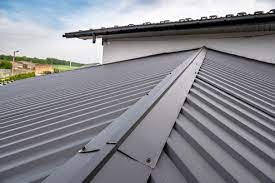
Metal roofs are a highly durable option for commercial structures, and they’re available in many different metal types including aluminum, copper, zinc, and steel. They are energy-efficient and have a lifespan of up to 50 years.
Built-up roofing systems, or BUR roofs, are a classic commercial Barrie Roofing solution. They are comprised of a series of reinforcing layers that are saturated in bitumen (typically asphalt or coal tar) and then installed in overlapping layers. BUR roofs have a long history of reliability and are incredibly effective at waterproofing and protecting against UV rays.
Single-ply roof membranes are made from a blend of flexible and durable thermoplastic and synthetic polymer materials. The two most common types are EPDM and TPO. EPDM and TPO are both highly resistant to UV rays, chemicals, punctures, and tears, and they’re able to withstand extreme weather conditions.
Foam roofing is another single-ply commercial roofing option. It’s sprayed onto the roof as liquid and then expands to form a seamless monolithic layer. This type of commercial roof is highly energy-efficient and offers durability, moisture resistance, and fire protection.
Eco-friendly, green roofs are a growing trend in commercial roofing. They feature a layer of vegetation that helps absorb rain, offset carbon dioxide emissions, and insulate the building, but they can be costly to maintain. Additionally, they’re not well suited for older buildings that may not support the weight of the plants.
Moreover, commercial roofing projects in Barrie are governed by stringent building codes, regulations, and industry standards aimed at ensuring safety, quality, and compliance with local ordinances. Roofing contractors must possess the requisite expertise, certifications, and licensure to undertake complex installations, repairs, and maintenance tasks in accordance with established protocols and best practices.
While the seven most common commercial roofing types are listed above, there are many other excellent choices for businesses. If you’re looking for a new roof, speak with a Branded Group representative to discuss your options. We’re happy to walk you through all of the options, and we can even perform a free inspection of your current roof system to help you determine which is the best fit. Contact us today to get started!